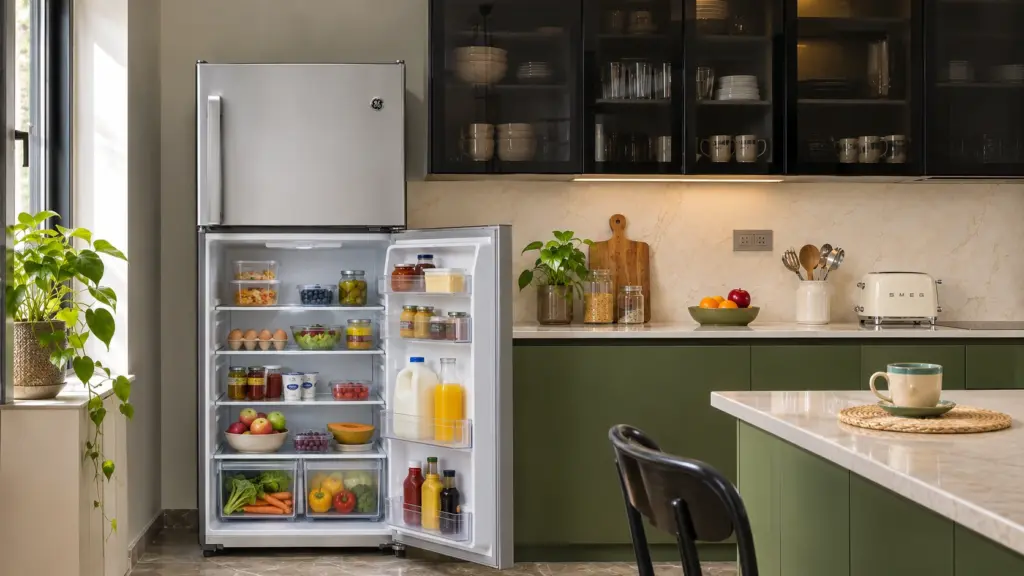
A refrigerator is one of those appliances you rarely think about until something goes wrong. And when it does, the frustration goes beyond an unexpected repair bill. There’s spoiled food, wasted money, and the sudden need to find a replacement.
Shopping for a new one can feel just as frustrating, since every brand promises quality and it’s hard to tell which one will actually last.
If you’re searching for the most reliable refrigerator brand, you probably want something that won’t leave you worrying about another breakdown a few years later. So, let’s look at which brands have earned buyers’ trust and what makes them worth considering before you spend your money.
Which Is the Most Reliable Refrigerator Brand?
No single winner stands out across all refrigerator types. Consumer Reports’ 2027 reliability designations recognize GE for side-by-side, LG for top-freezer, Thermador for French-door, and Fisher & Paykel for bottom-freezer and built-in refrigerators.
J.D. Power’s 2026 study ranked GE first in three categories: side-by-side (54 problems per 100 appliances), French-door (61), and top-freezer (38).
These findings differ because Consumer Reports estimates longer-term reliability, while J.D. Power measures reported problems in appliances purchased one to three years earlier. Neither guarantees individual model performance.
The best choice depends on refrigerator type, model reliability, and repair support.
How Is Refrigerator Reliability Measured?
Refrigerator reliability describes how often owners experience faults, but studies measure those faults differently. Comparing their methods helps explain why a brand can lead one report without leading another.
Consumer Reports: Uses member ownership surveys to estimate the chance of failure within the first five years and assigns reliability ratings by refrigerator category.
J.D. Power: Counts reported problems per 100 appliances (PP100) among products purchased within the previous one to three years. A lower score indicates fewer reported problems.
Retailer service records: Yale Appliance divides first-year service calls by units sold; its results reflect the models and locations served by that retailer.
A first-year service rate is not the same as a five-year failure prediction. Neither figure measures how long a refrigerator will eventually last.
Repairability is different again: it concerns the cost and practical difficulty of fixing a fault, while service coverage describes whether qualified technicians and parts are accessible in your area.
Most Reliable Refrigerator Brands Compared by Category
Reliability varies by refrigerator type, model, and feature set. The comparisons below focus on brand performance within specific categories, using available repair data, owner reports, and product history.
1. LG: Best for Top-Freezer Reliability
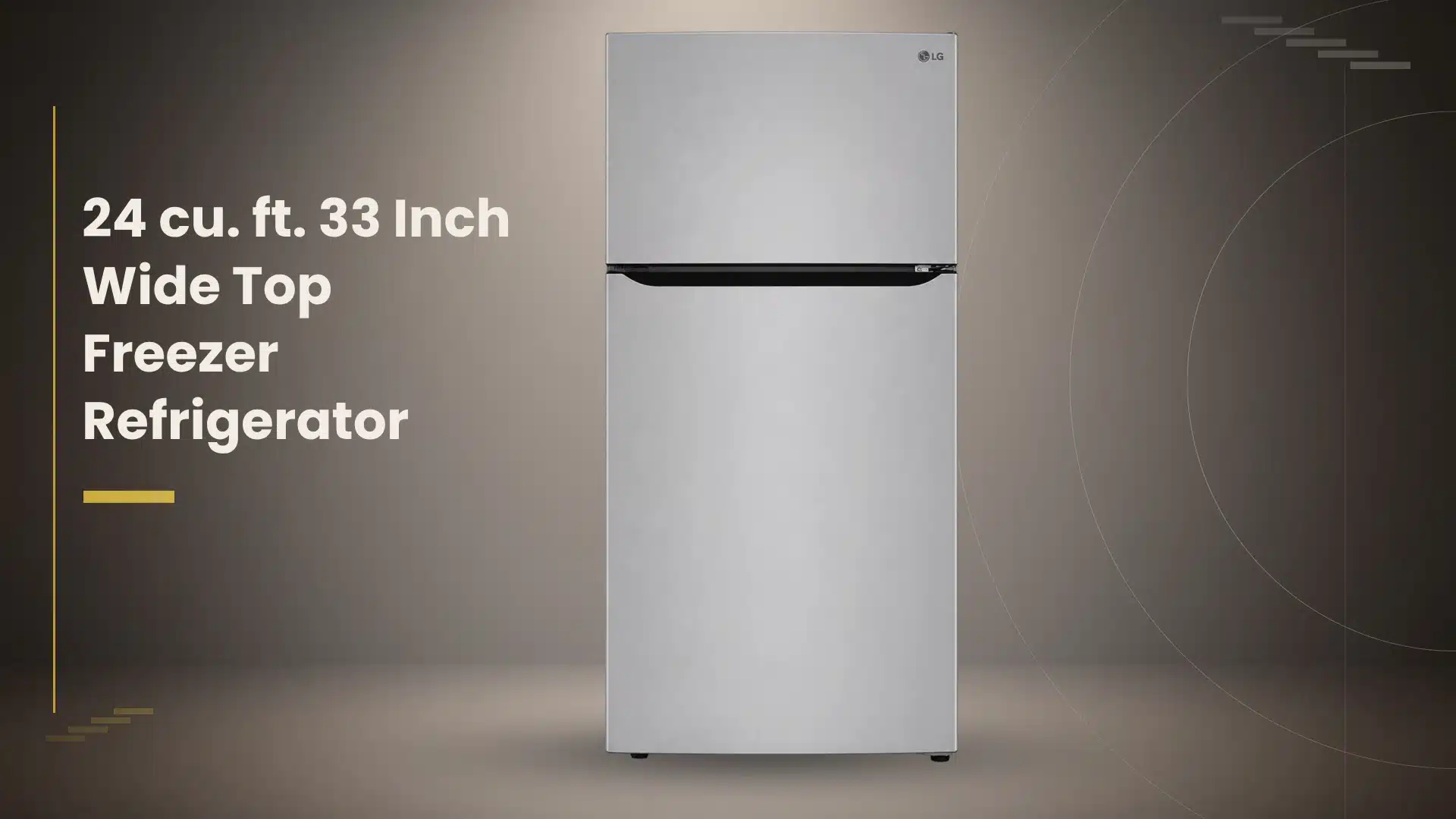
LG earned Consumer Reports’ 2027 top-freezer recognition. The LG LRTLS2403S is marketed as a 24 cu. ft. model with an internal water dispenser, while Consumer Reports lists 17.7 cu. ft. of usable capacity. Compressor concerns reported for some other LG layouts should not automatically apply to this top-freezer model.
Best features: Ice-maker-ready design and Multi-Air Flow cooling.
Price (checked November 16, 2026): LG: $979 sale price (regularly $1,310).
Limitation: Usable capacity is well below the advertised figure.
2. Thermador: Best for Luxury French-Door Reliability
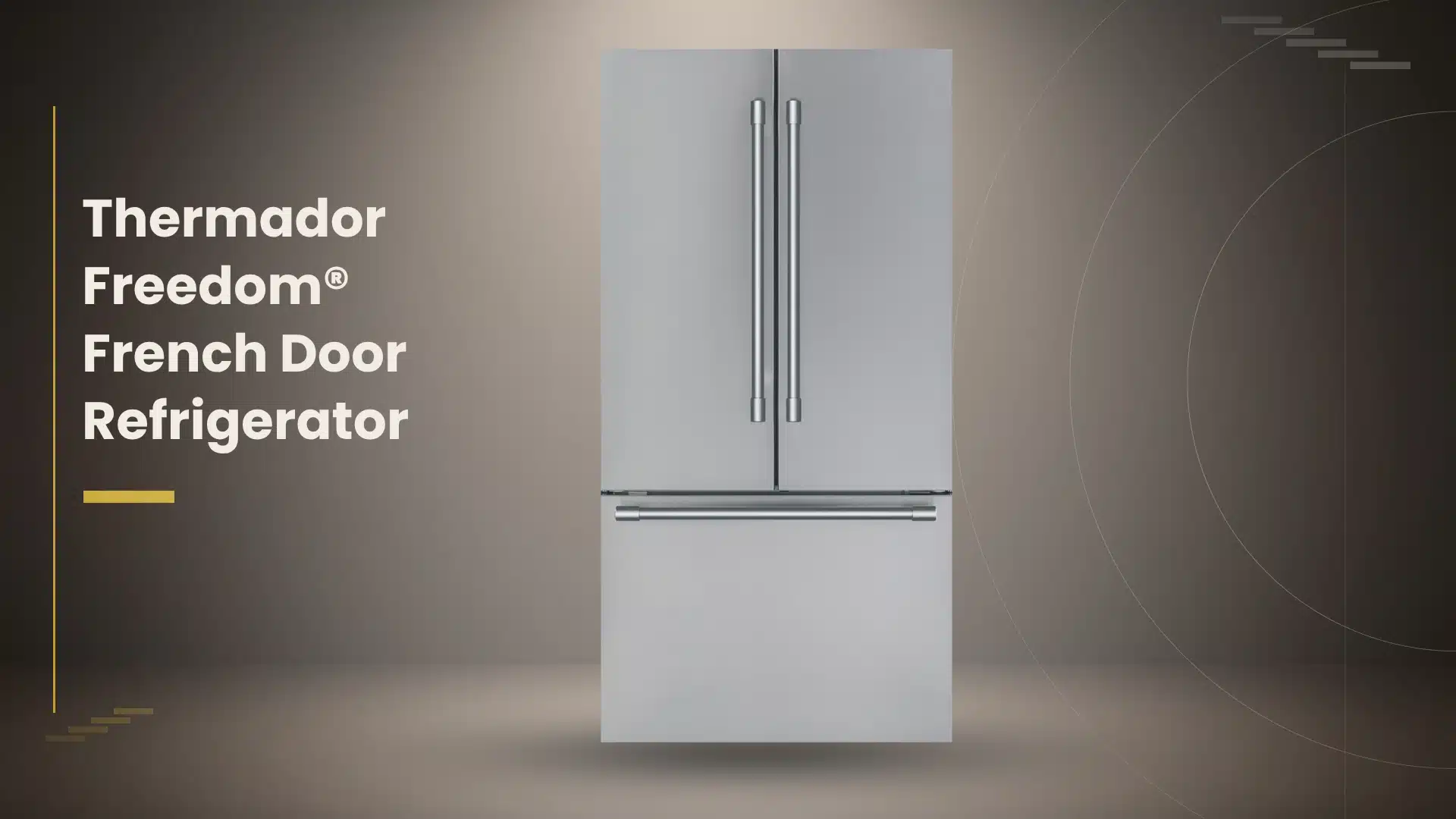
Consumer Reports awarded Thermador its 2027 French-door category recognition. The Thermador T36FT820NS is a 36-inch freestanding French-door refrigerator, not a built-in model. Its cooling and alert systems support food management, although premium components can make repairs costly.
Best features: Free Flow cooling, internal water dispenser, temperature notifications.
Price: $5,299 recommended retail price.
Limitation: Specialized maintenance adds ownership costs.
3. Fisher & Paykel: Best for Bottom-Freezer and Built-In Categories
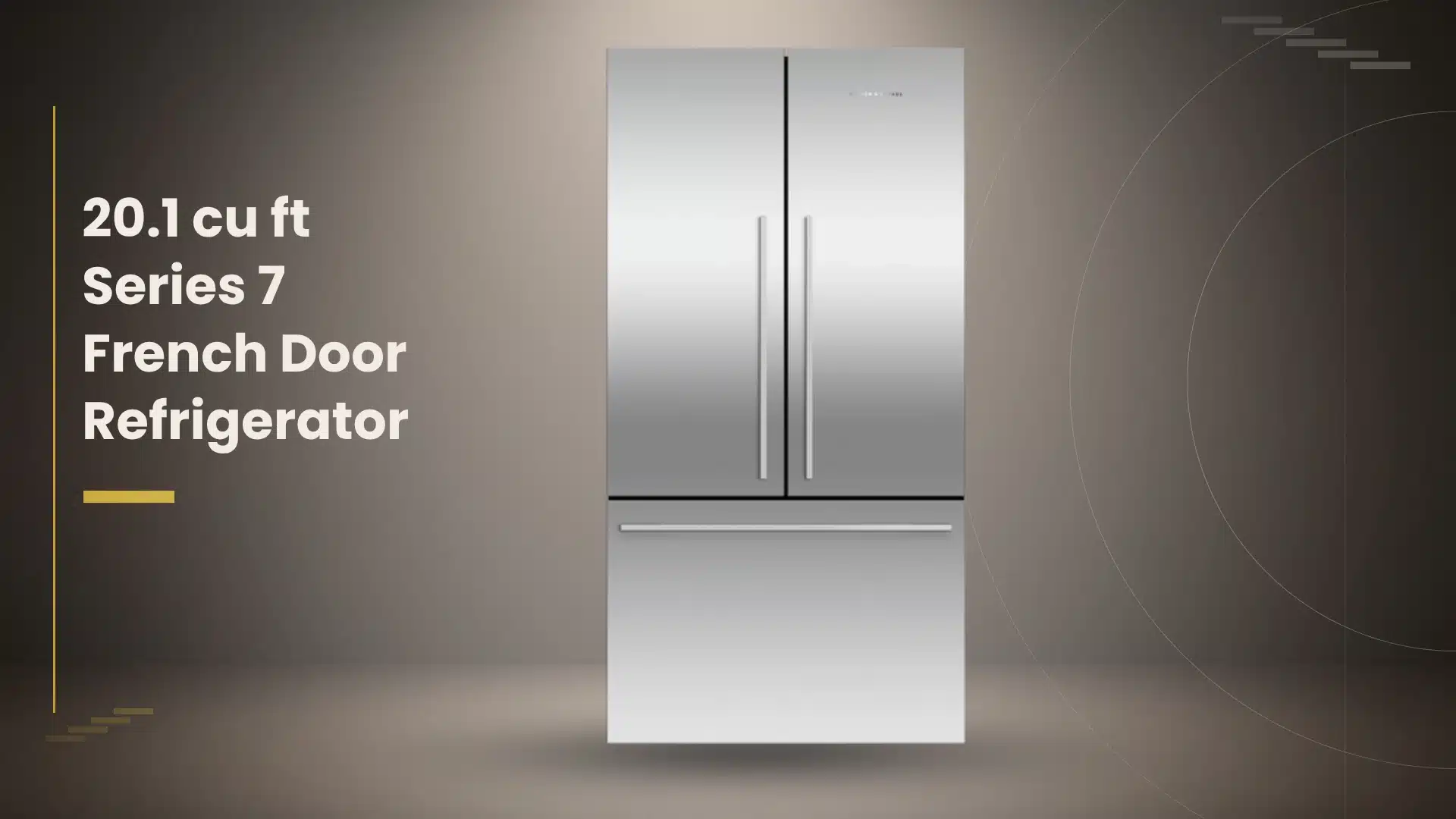
Consumer Reports recognized Fisher & Paykel separately for bottom-freezer and built-in reliability in its 2027 designations. The Fisher & Paykel RF201ADX5 N is a 20.1 cu. ft. freestanding French-door model with a bottom freezer drawer. It is an example from the brand, not a model that earned the recognition itself, since the honors apply to the brand’s bottom-freezer and built-in categories.
Best features: ActiveSmart cooling and adjustable storage.
Limitation: Category honors are brand-level, not model-level.
4. Whirlpool: Straightforward Top-Freezer Option
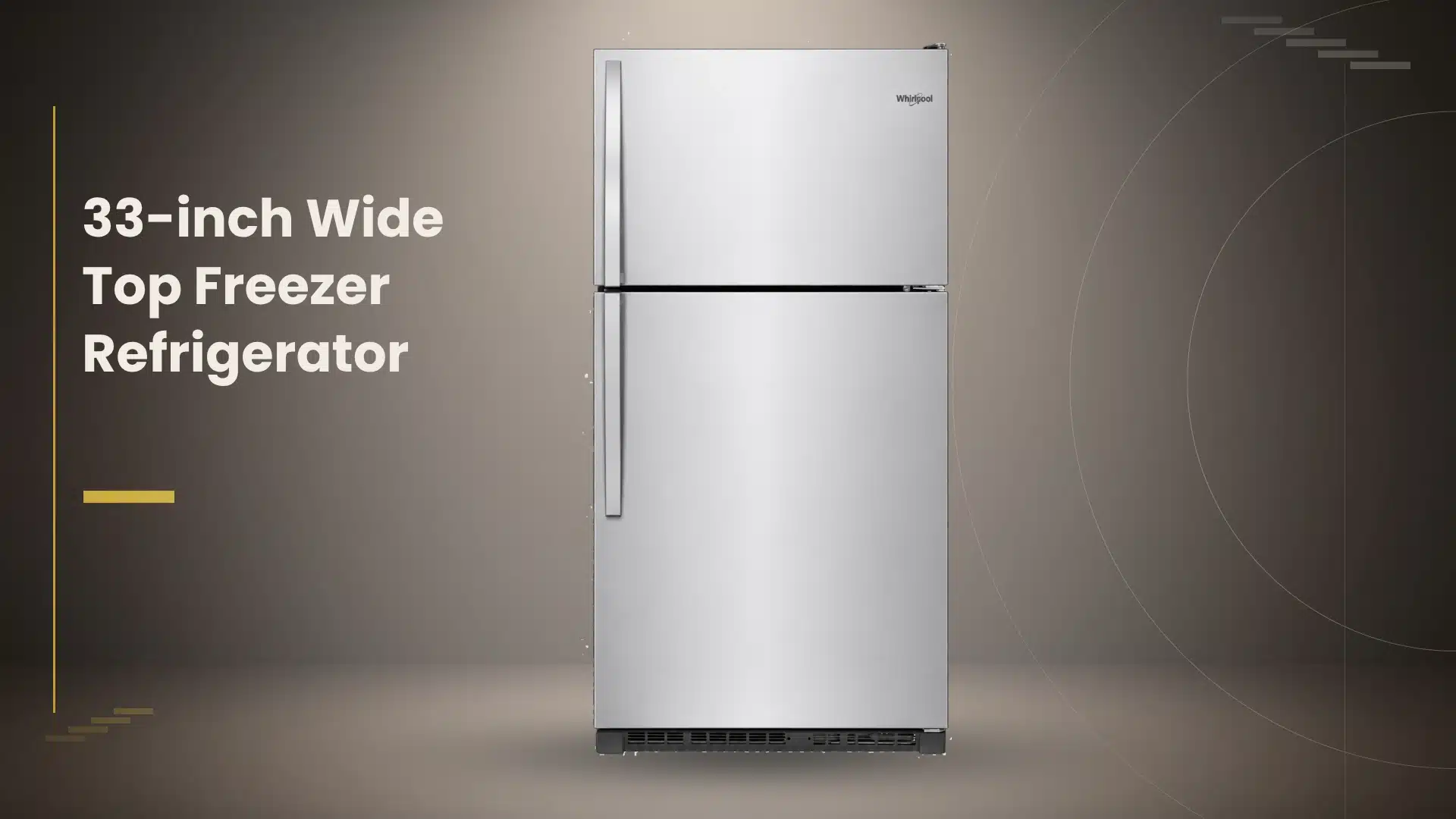
Whirlpool tied with Frigidaire for second place in J.D. Power’s 2026 side-by-side refrigerator findings, with both at 70 PP100. RTINGS’ service-coverage research covers 522 U.S. locations and includes Whirlpool, Bosch, Frigidaire, GE, LG, and Samsung. It doesn’t rank any brand’s network as the broadest, so check authorized repair options in your own area.
The Whirlpool WRT311FZDW is a 20 cu. ft. top-freezer refrigerator with a simple layout.
Best features: Adjustable storage and optional ice maker.
Limitation: Fewer features than French-door models.
5. Bosch: Best for Dual-Compressor Counter-Depth Design
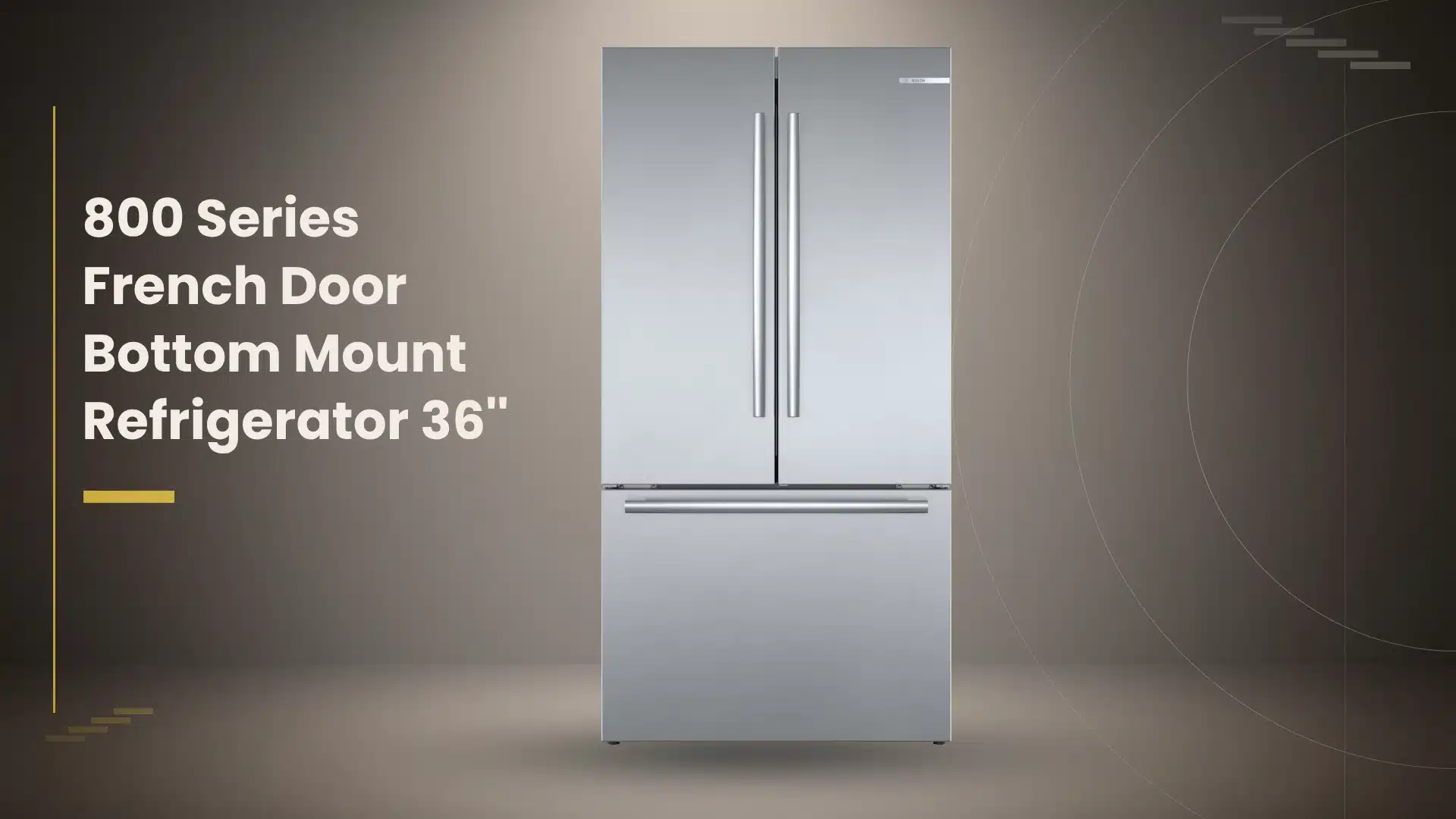
The Bosch 800 Series B36CT80SNS uses dual compressors and separate evaporators for compartment-specific temperature management. Yale reported a 12.7% first-year service rate for Bosch counter-depth French-door models in its regional sample. That figure reflects one retailer’s customers, not a national failure rate or a measure of food preservation.
Best features: Organized freezer drawers and internal filtered-water dispenser.
Limitation: Counter-depth capacity and replacement-parts costs warrant attention.
6. Sub-Zero: Premium Built-In Option
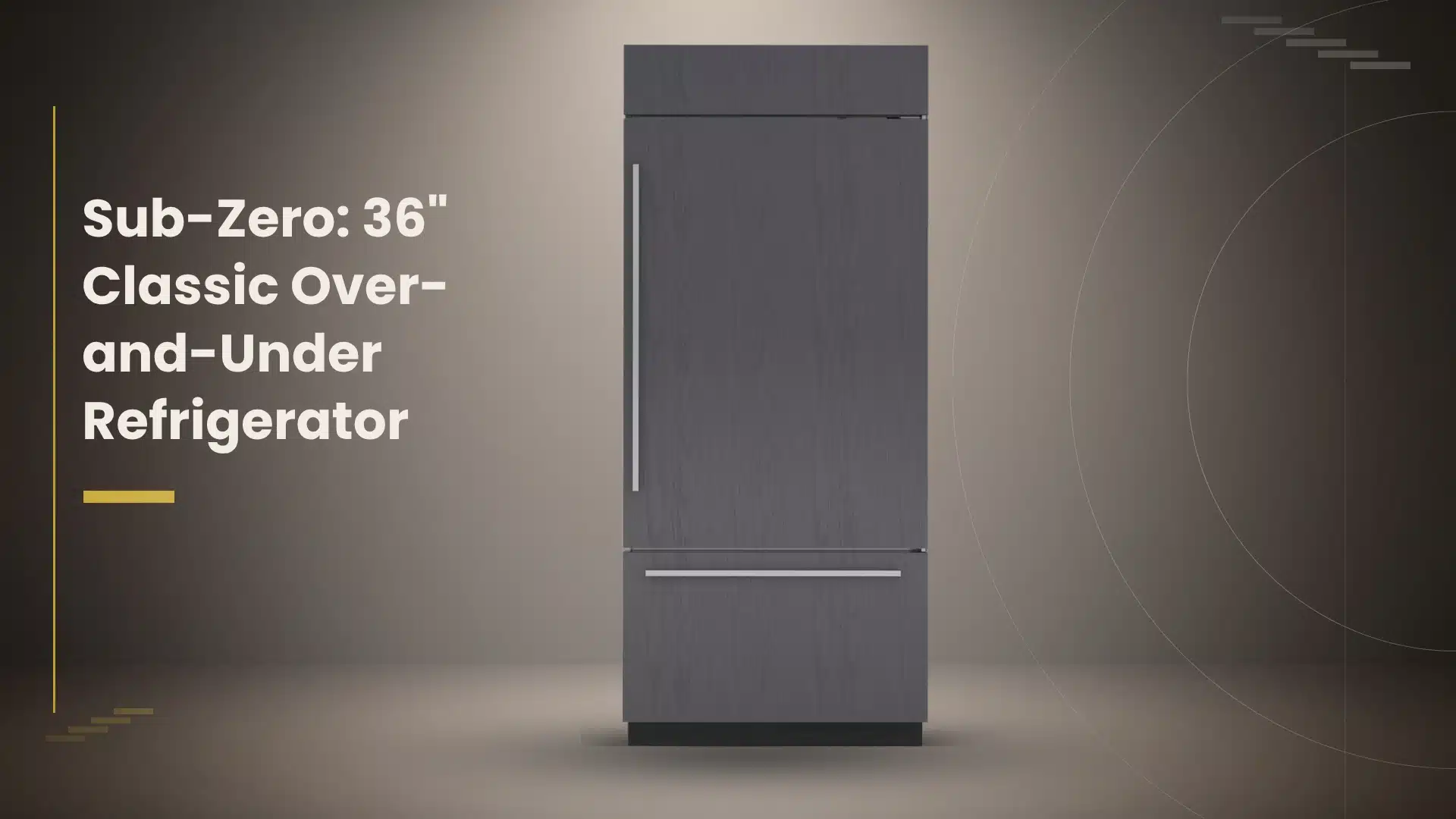
Sub-Zero makes premium built-in refrigerators, and this section describes that product category rather than a low failure rate. The Sub-Zero CL3650U comes in distinct finishes: CL3650U/S is stainless steel, while CL3650U/O is panel-ready. A long expected service life does not mean fewer repairs.
Best features: Separate cooling systems, air purification, adjustable storage.
Limitation: Installation and authorized service can be expensive.
7. Maytag: An Additional French-Door Option
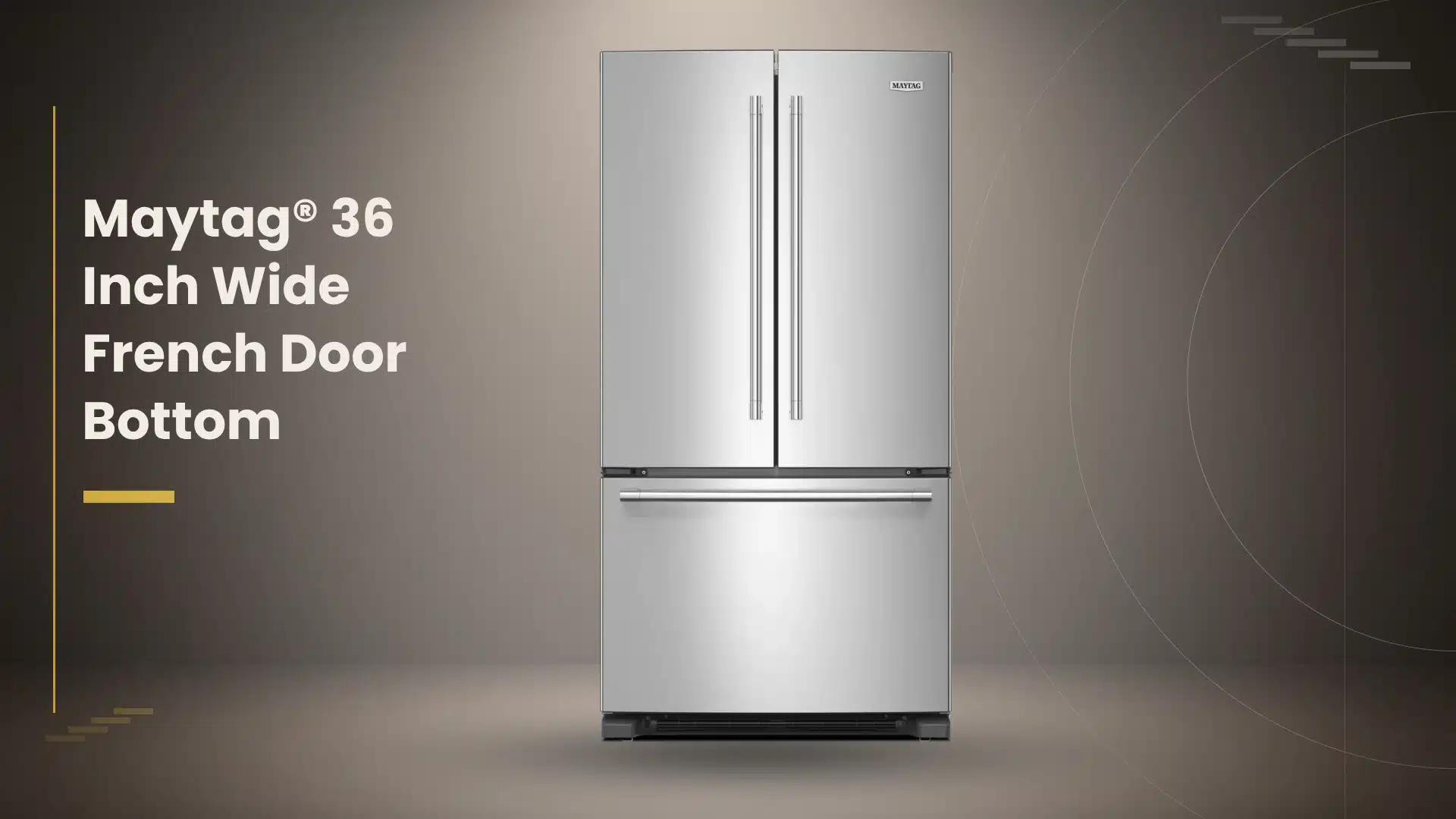
The Maytag MRFF4236RZ offers a 25 cu. ft. French-door layout and practical cooling controls, but no current category-leading refrigerator reliability designation.
Best features: Max Cool, advanced defrost, internal ice and water.
Limitation: No category-leading reliability designation.
Which Refrigerator Type Is the Most Reliable?
Consumer Reports identifies top-freezer refrigerators as generally the most reliable configuration. They tend to avoid some elaborate features, but their layout may not suit households that frequently access frozen food.
Only the top-freezer finding comes from a reliability study. The other rows in the table describe design considerations, not measured reliability rankings.
Refrigerator type | Main reliability consideration |
Top-freezer | Typically simpler construction and fewer optional systems. |
Bottom-freezer | Convenient fresh-food access; drawers add moving hardware. |
Side-by-side | Narrow compartments; door dispensers can add maintenance needs. |
French-door | Flexible storage, often with more controls and ice-making equipment. |
Built-in | Integrated installation; service may require specialized technicians. |
The table describes common design trade-offs, not guaranteed outcomes for every product. A basic French-door refrigerator may have fewer optional components than a heavily equipped top-freezer model.
Choose the configuration that fits your storage and access needs, then compare the features included on the exact model. Installation style and luxury finishes alone do not prove better mechanical durability or fewer service calls.
What Refrigerator Features Are Most Likely to Break?
Consumer Reports’ October 2026 owner-survey findings identify ice makers and water or ice dispensers as frequent problem areas. It estimates that 30% of refrigerators equipped with ice makers will develop a problem by the end of their fifth year. That estimate applies to refrigerators with ice makers, not all refrigerators.
Ice-making equipment can jam or stop producing ice, and valves, filters, water lines, and dispenser mechanisms may interrupt flow or leak.
Compressor and sealed-system failures are reported less often, but they can stop cooling and may be expensive to repair. A compressor circulates refrigerant, so a failure is often more serious than many dispenser faults.
Electronic controls and connected displays add functions that can require troubleshooting.
J.D. Power’s 2025 research reported 87 problems per 100 connected appliances versus 63 for nonconnected appliances across several major appliance categories. Those figures are not refrigerator-only rates, nor do they prove that every smart refrigerator is less dependable.
Are Expensive Refrigerators More Reliable?
No. A higher purchase price doesn’t automatically mean fewer breakdowns, and a longer warranty isn’t a substitute for strong reliability evidence.
Premium refrigerators may provide improved temperature control, adjustable compartments, cabinetry-friendly finishes, or longer coverage for selected components. Those advantages can still be worthwhile even when the product isn’t more resistant to ordinary faults.
Bosch’s dual-compressor design, for example, is primarily a food-preservation benefit; it does not guarantee repairs will never be needed. Higher-end models may also carry larger financial risks after purchase.
Built-in installation can complicate removal, and specialty parts can cost more. Sub-Zero illustrates why expected lifespan and service frequency are separate questions: a refrigerator might stay in use for many years while still needing repairs along the way.
Before paying for premium features, weigh how you will use them against your household’s repair budget, service options, and ownership plans.
What Should You Check Before Buying a Reliable Refrigerator?
Before buying, compare the exact model rather than relying solely on a manufacturer’s reputation. These practical checks address the costs and constraints that are easy to miss in a showroom.
Model evidence: Look for reliability data covering the same refrigerator configuration, not merely the same logo.
Repair support: Check authorized providers in your ZIP code, the availability of parts, and how service is arranged.
Warranty details: Confirm whether compressor coverage includes labor, diagnosis, refrigerant, and connected parts; a parts-only warranty can still leave substantial bills.
Fit and delivery: Measure the opening, door swing, ventilation clearance, and the path through doorways or stairs.
Operating requirements: Check water-line connections, estimated annual electricity use, and any local utility rebates or recycling programs.
Repair technicians may favor simpler designs because they reduce the number of systems to diagnose, but basic refrigerators still have fans, thermostats, defrost components, and compressors that can fail.
The right purchase balances practical access, everyday function, and the costs you can reasonably manage.
Final Takeaway
Finding the most reliable refrigerator brand requires understanding what independent reliability findings reveal and where they fall short.
No single manufacturer consistently leads every refrigerator category, and individual models can perform differently. A refrigerator’s value becomes clear through years of everyday use, not just its initial appeal.
Use the reliability findings above to shortlist your top models, compare their service records, and choose a refrigerator you can confidently depend on for years to come.
Frequently Asked Questions
Which refrigerator brands should you avoid?
Consumer Reports flagged Samsung French-door refrigerators for poor predicted reliability and owner satisfaction in October 2026. That does not apply to every Samsung model; check model-specific records.
How long should a refrigerator last?
Around 10 years is a useful planning estimate, not a guarantee. Actual lifespan depends on use, maintenance, operating conditions, and repair costs.
Are older refrigerators more reliable than new ones?
Not necessarily. Older models may have fewer electronic features, but worn seals, motors, and cooling parts can offset that advantage. Evaluate condition and service history.
Are Amana refrigerators reliable?
Amana offers value-oriented refrigerators, but the cited studies do not establish a category-leading reliability ranking. Compare specific models, warranty coverage, and local repair support.
Is a refrigerator made in the USA more reliable?
Not automatically. Assembly location alone cannot predict failures. Instead, compare independent reliability results, components, warranty terms, and service availability.